BROMUS BIEBERSTEINII ROEM. & SCHULT.
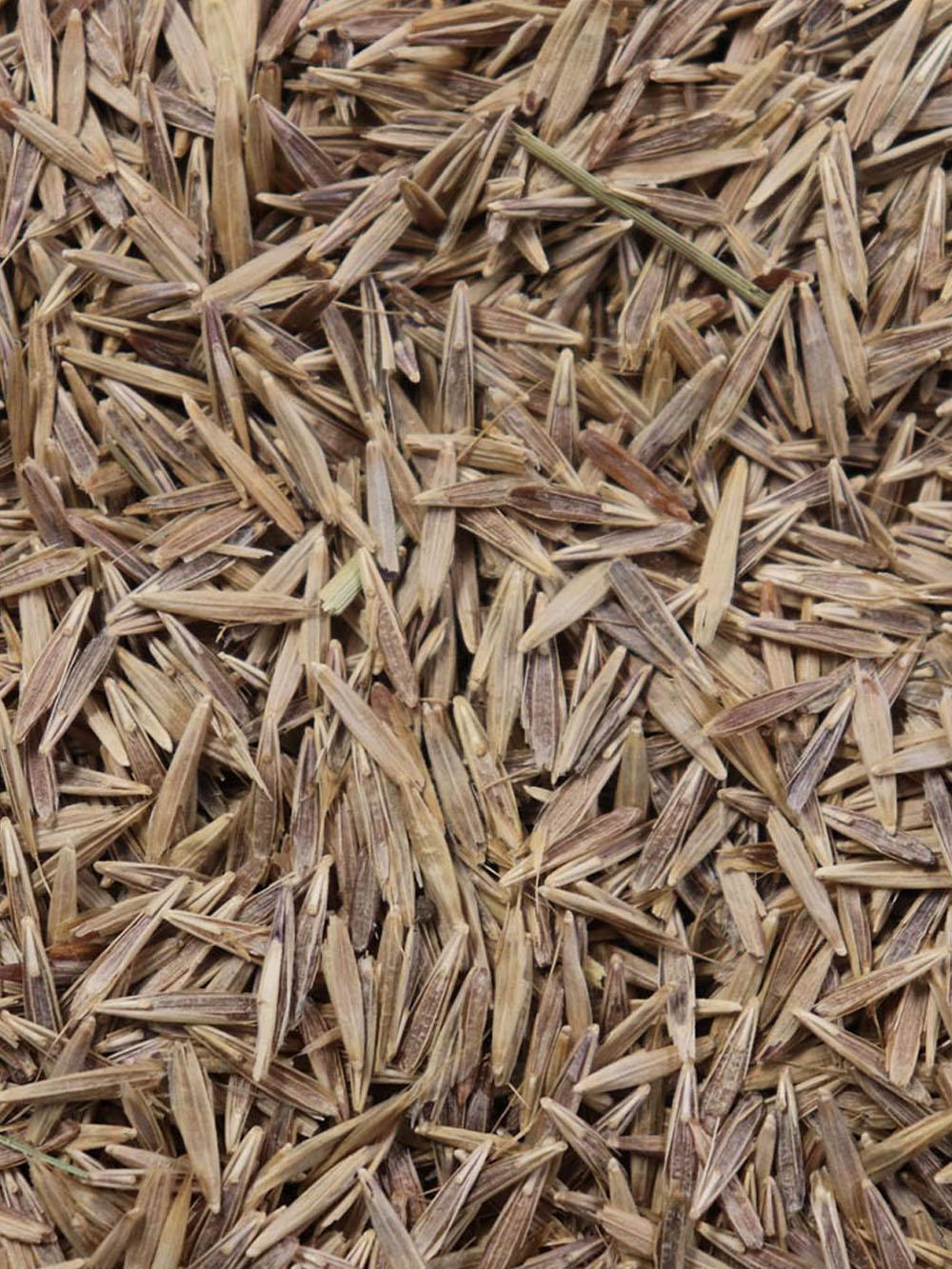
Meadow Bromegrass
Meadow bromegrass is a perennial, cool season forage grass. Primarily used for grazing, it has consistent, high yields throughout the growing season which makes it a very popular choice for hay, haylage, or pasture production. Meadow bromegrass can also be used in upland bird and wildlife plantings because it serves as excellent forage for larger game animals and waterfowl. It is very winter hardy and performs best on fertile, moderately deep, well-drained soils although it can tolerate a range of soil textures. It does not tolerate flooding. If meant for permanent grazing pasture, it should not be grazed until the late fall of its second growing season.
Key features
- Perennial cool-season grass
- High-yielding
- Consistent growth all season long
- Winter hardy
- Tolerates a range of soil textures
- Does not tolerate flooding
General Characteristics
Type
Meadow
Segment
Forage
Sci. Name
BROMUS BIEBERSTEINII ROEM. & SCHULT.
Root Characteristics
Root Type
Slightly Creeping
Seeding Information
Approx. Seeds/Lb.
93,000
Seeding Rate - Alone/New (Lbs./Acre)
15-20
Planting Times
Mid Spring - Mid Fall
Seeding Rate - Mixes (Lbs./Acre)
7-10
Plant Characteristics
Lodging Resistance
Good to Fair
Lemma Pubescence
Glabrous
Panicle Attitude
Erect
Branch Attitude
Erect
Node Pubescence
Moderately Pubescent
Stem Pubescence
Moderately Pubescent
Sterile Culm Height
Medium
Flag Leaf Length
Medium
Flag Leaf Width
Medium
Leaf Abundance
Few
Leaf Ligule
Present
Growth Habit
Erect
Degree of Basal Tillering
Medium