
Sorghastrum nutans
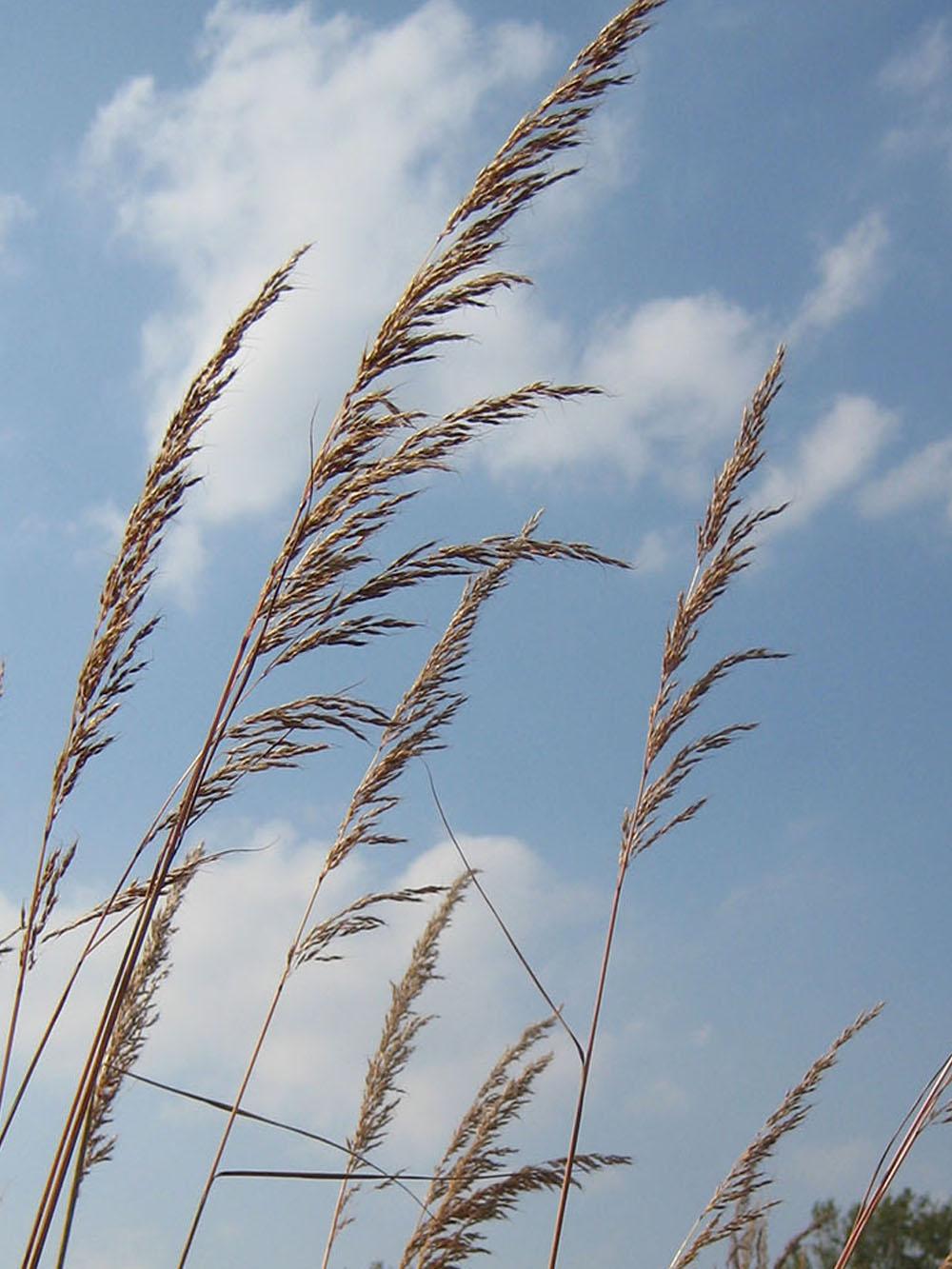
Indiangrass
Indiangrass is a warm-season perennial bunch grass prized for its versatility and ecological benefits. Highly palatable to livestock, especially when young and green, it serves as an excellent forage option for grazing or hay production, yielding 2–3 tons of cured hay per acre. This tall grass, typically reaching 4–6 feet in height, establishes quickly in plantings and requires minimal maintenance. Its drought resistance and ability to thrive without fertilizer in most pasture situations make it a sustainable and cost-effective choice for land management.
In addition to its agricultural uses, Indiangrass is a valuable component of conservation projects. It helps control erosion along roadsides and in critical areas, while also providing important wildlife benefits, including nesting and brooding cover for bobwhite quail, fawn cover, and seeds consumed by birds and small mammals.

General Characteristics
Segment
Conservation Seed
Species
Indiangrass
Sci. Name
Sorghastrum nutans
Plant Characteristics
Soil Moisture
Medium – Moderately Moist Soil ,
Medium Dry – Well-Drained Soil ,
Dry – Excessively Drained Soil
Sun Exposure
Full Sun ,
Partial Shade
Height
3-7'
Seeding Information
Planting Times
Late Fall, Spring