

Winter Camelina
Winter Camelina
SEEDS & SCIENCE
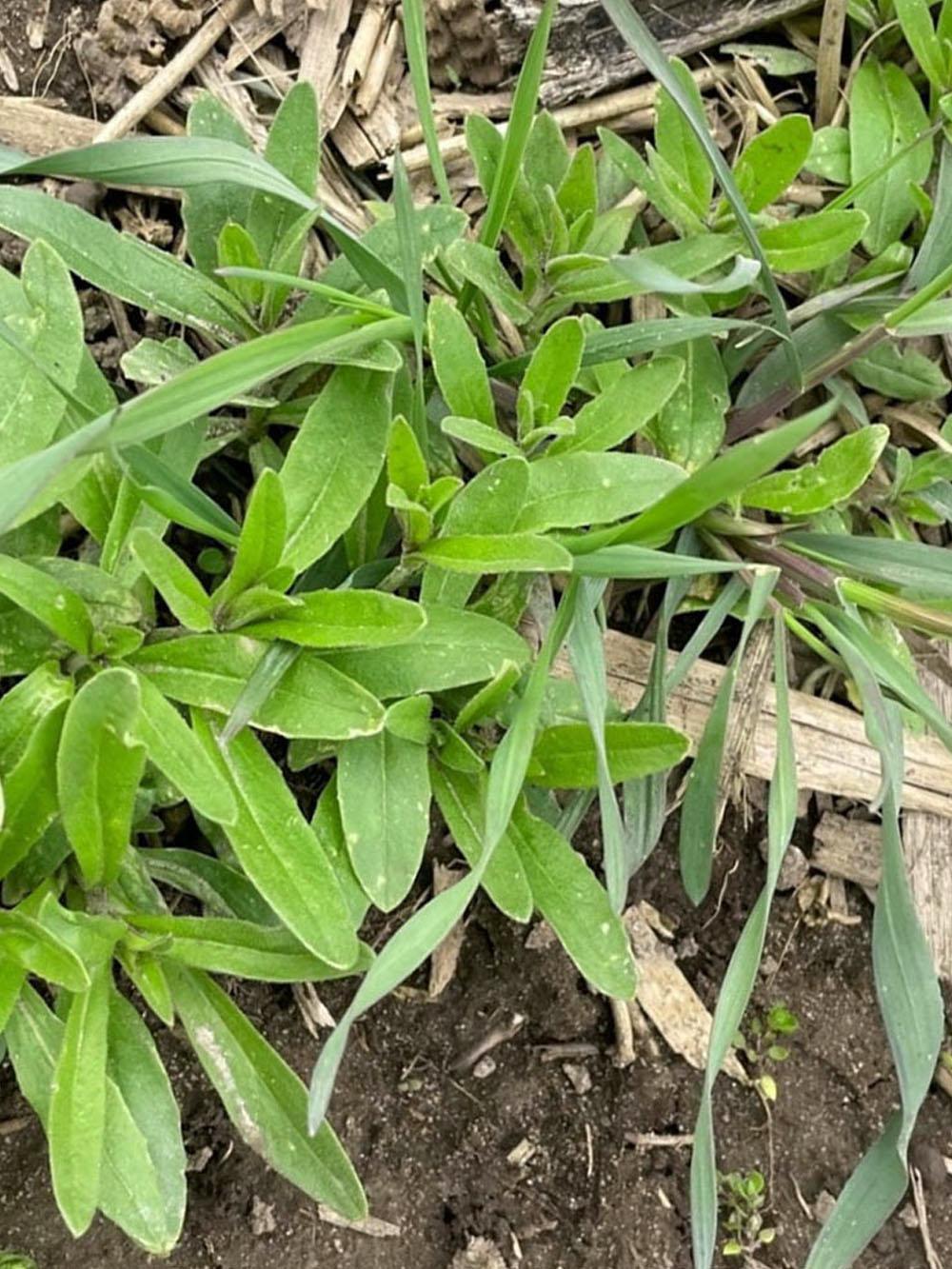
Description
Winter Camelina is a resilient annual brassica and industrial oilseed crop known for its exceptional winter hardiness. As a cover crop, it effectively aids in erosion control, alleviates soil compaction, and scavenges nutrients during the fall and early spring months. With a low carbon-to-nitrogen ratio, plants rapidly decompose in the spring, minimizing the risk of nutrient tie-up. Camelina should be planted between October and November in the Midwest; it may bolt and die if seeded too early in the fall.
This versatile crop thrives in a variety of soil and environmental conditions, making it ideal as a potential relay crop. Winter Camelina can be seeded alongside Cereal Rye. With a small and dense seed size of approximately 345,000 to 465,000 seeds per pound, Camelina allows for efficient seeding and establishment.
Key Features
- Excellent winter hardiness
- Effective erosion control
- Scavenges nutrients to enhance soil fertility
- Low risk of nutrient tie-up
- Decomposes quickly after spring termination
- Versatile establishment
General Characteristics
Usage
Cover Crop
Segment
Cover Crop
Species
Winter Camelina
Seeding Information
Approx. Seeds/Lb.
400000
Seeding Rate - Alone/New (Lbs./Acre)
4-6
Planting Times
Late Fall-Early Winter
Seeding Rate - Mixes (Lbs./Acre)
1-2
us.dlf.com